
BLOGFMCGSpiritsRecruitment3 Min Read
The talent behind the trophies: Scotland Food & Drink Excellence Awards shortlist announced
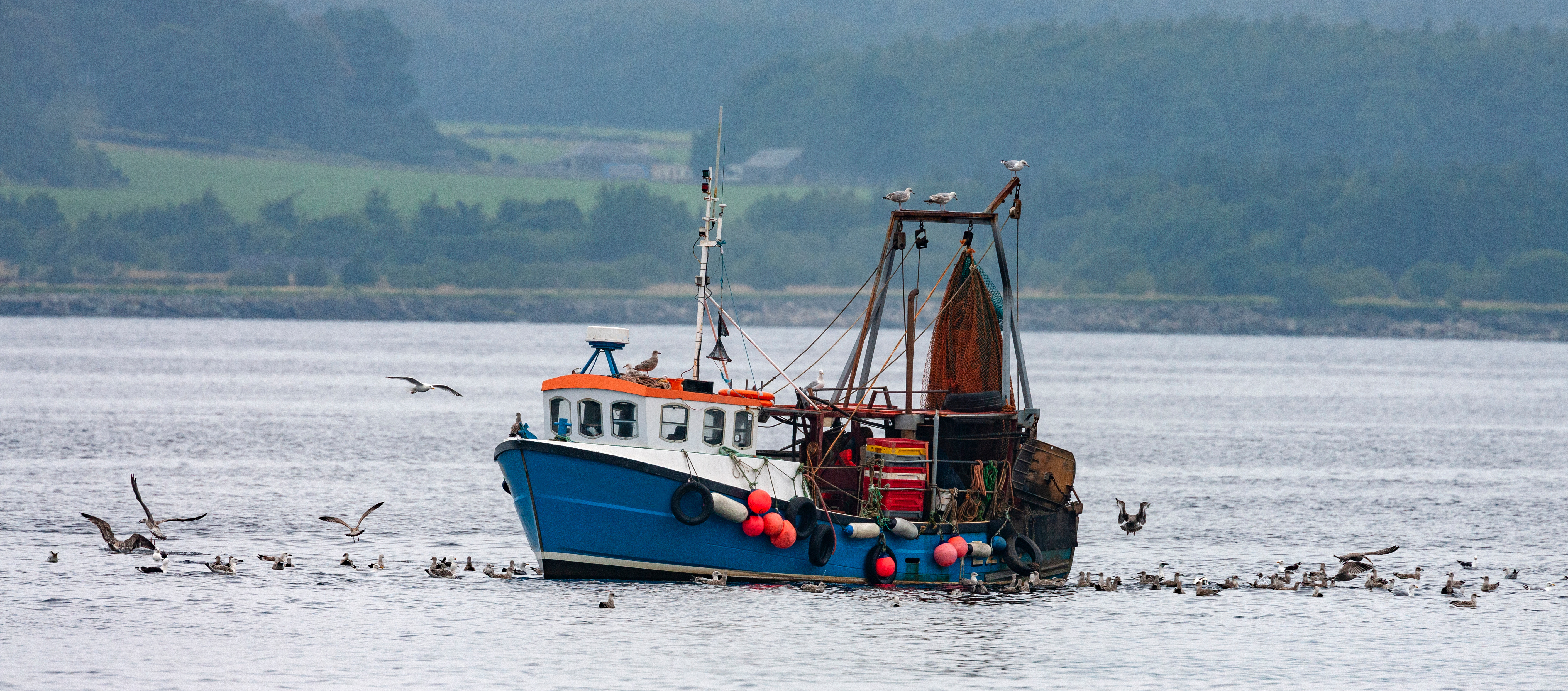
Behind every award-winning business is a team. Explore some of the questions the 2026 finalists raise about talent, leadership and growth.
Every year, I look forward to seeing who makes the Scotland Food & Drink Excellence Awards shortlist.
After 12 years speaking to people across Scotland’s food and drink sector, it admittedly does make me slightly more interested than the average person!
I like seeing the familiar names and discovering new names that make me think, "How have I not heard of them before?"
And, of course, I like seeing the people and businesses I have worked with make the list, the ones I have a soft spot for! I am only human.
But beyond the celebrations, the shortlist says something interesting about the sector itself. It offers a snapshot of the businesses growing, innovating and setting the standard for Scotland's food and drink industry.
Again this years’ finalists span product and business categories, from artisan produce and seafood to sustainability, innovation, growth, employer practice and young talent. Glasgow Chamber of Commerce reported 64 finalists, representing 48 businesses across 20 categories, with winners due to be announced in Glasgow on 24 September 2026.
It’s great to see such a vibrant Scottish food & drink scene. Loads of innovation, new product development and heritage classics reimagined for a changing marketplace. Congratulations to all the nominees – and a special good luck shout out to Denholm clients and friends; Mackies of Scotland, Six Degrees North and Isle of Barra. Paul McKernan, Senior Business Manager
That is the visible story.
The more useful story sits underneath it: Scotland’s food and drink businesses are competing through people.
What do the 2026 Excellence Awards finalists tell us about hiring?
The 2026 finalists show that Scotland’s food and drink sector needs talent across every part of the business: product development, operations, supply chain, marketing, sustainability, commercial growth, leadership and employer brand.
Quality gets the applause. People build the quality.
A new product needs technical skill. A strong campaign needs creative and commercial judgement. A growth business needs leadership that can hold ambition and discipline in the same room. A sustainable business needs people who can turn values into operational decisions. An employer award needs proof that culture is lived, funded and felt.
That is a proper talent brief. Slightly less shiny than a trophy. Much more useful on a Tuesday morning.
Looking at this year's finalists, I'm reminded that while products win awards, people create the conditions for success. Whether it's innovation, sustainability, growth or culture, every category ultimately comes back to talent. The food and drink businesses that stand out year after year are often those that are just as deliberate about building great teams as they are about building great brands. Steph Buckley, Head of Commercial FMCG
Why employer brand matters in Scottish food and drink
Food and drink has a hiring challenge with a visibility problem.
The sector is everywhere in Scottish life: in shops, restaurants, exports, farms, factories, visitor experiences and local communities.
Yet many candidates still see only part of the career story.
They know the product.
They do not always see the roles, progression, leadership paths and technical expertise behind it, and how exciting what we do here is.
Scotland Food & Drink’s skilled workforce guidance describes food and drink as Scotland’s third-largest sector employer and biggest manufacturing employer, with around 120,000 people working in the industry. Scottish Development International also points to 122,000 employees in Scottish food and drink, alongside £14.9 billion turnover and a £30 billion turnover target for 2030.
That scale needs a stronger candidate story.
Employer brand in food and drink should answer three questions quickly:
- What kind of work happens here?
- What can a person become here?
- Why would someone choose this business over another employer with the same salary band and a shorter commute?
The finalists give the sector a useful reminder. Reputation is built in public, then proven in private. Candidates see awards, products and campaigns. They stay interested when the employee experience matches the promise.
What should growing food and drink businesses do next?
Growth creates pressure. Hiring exposes it.
A business can win attention with a brilliant product and still struggle to hire the operations lead, marketer, finance specialist, sales director or technical manager needed to scale it.
That gap is common. It is also fixable.
Hiring leaders should start with the work behind the ambition.
- What capability will make the next stage possible?
- Which roles need permanent depth?
- Where would interim or fractional expertise give the business senior judgement without adding unnecessary cost?
- Which leadership hires will shape the team around them?
- Which parts of the employer story are strong enough to use in recruitment marketing?
Scotland Food & Drink’s wider strategy, Sustaining Scotland, Supplying the World, includes the need to recruit and retain a highly skilled workforce.
That matters because skills shortages are a growth issue, a productivity issue and a leadership issue.
The best food and drink employers will treat hiring as part of business design. Team shape, role scope, attraction, assessment and onboarding all matter. A loose brief can lose a strong candidate before the first conversation. A good brief can make a smaller brand feel bigger.
How can awards recognition support recruitment?
Awards recognition gives employers a useful talking point. It says the business has energy, standards and external validation.
Used well, that can strengthen recruitment and the overall talent pipeline.
Add the recognition to role advertised, but connect it to the work. Mention the award category, then explain what it says about the team.
- Business Innovation of the Year suggests curiosity and problem-solving.
- Employer of the Year suggests care, structure and listening.
- Young Talent of the Year suggests development is visible inside the business.
We would never say that candidates will move for a trophy. But, they move when the trophy champions what is really important to them personally.
The practical opportunity is simple: turn public recognition into a sharper talent message.
Building the team behind the next stage of growth
Behind every growth plan, new product, expanding market and award-winning business are people making it happen.
Denholm works with food and drink businesses across Scotland to find the people they need across Supply Chain, Operations & Engineering, Marketing, Communications & Creative, Sales & Business Development and senior leadership.
If you're thinking about the team behind your next stage of growth, explore our FMCG recruitment expertise, call us on 03303 359 818 or email connect@denholmassociates.com.
You might also be wondering...
Why is attracting talent a challenge for Scotland's food and drink industry?
Scotland's food and drink sector competes for talent with manufacturing, technology, life sciences and consumer businesses. While the products are highly visible, the careers behind them are often less so.
From technical specialists and engineers to commercial leaders and marketers, businesses are looking for people with skills that are valued across multiple industries. That makes attracting the right talent less about advertising vacancies and more about telling a compelling story about the business, its ambitions and the opportunities it offers.
How can food and drink businesses improve their employer brand?
Employer brand is built over time.
It reflects how people experience your business, how leaders behave, how careers develop and how your values are lived day to day. Awards and recognition can strengthen that reputation, but they're most effective when they reinforce an experience that already exists.
Candidates want to understand what it's like to build a career with your business. The clearer that picture, the stronger your employer brand becomes.
What roles are most in demand in Scotland's food and drink sector?
The answer depends on where a business is in its growth journey.
Some organisations are investing in technical capability, engineering and operations. Others are strengthening commercial leadership, supply chain, finance or marketing. What they have in common is the need for people who can add capability and help the business achieve its next stage of growth.
How do awards help attract talent?
Recognition creates visibility.
Awards give people a reason to notice your business and candidates a reason to learn more about it. They also provide an opportunity to tell the story behind the recognition, from innovation and leadership to culture, sustainability and the people who made the achievement possible.
The award may catch someone's attention. The story behind it is often what starts the conversation.
How can businesses attract candidates beyond salary?
Salary will always be part of the conversation, but it isn't a key driver anymore.
People also consider leadership, purpose, development, flexibility, culture and the opportunity to make an impact. Organisations that communicate those things clearly help candidates understand the role and the career they could build.