BLOGFMCGSpiritsMarketing, Communications & CreativeHospitality & Visitor AttractionSupply Chain, Operations & Engineering1 Min Read
The future of brand advocacy
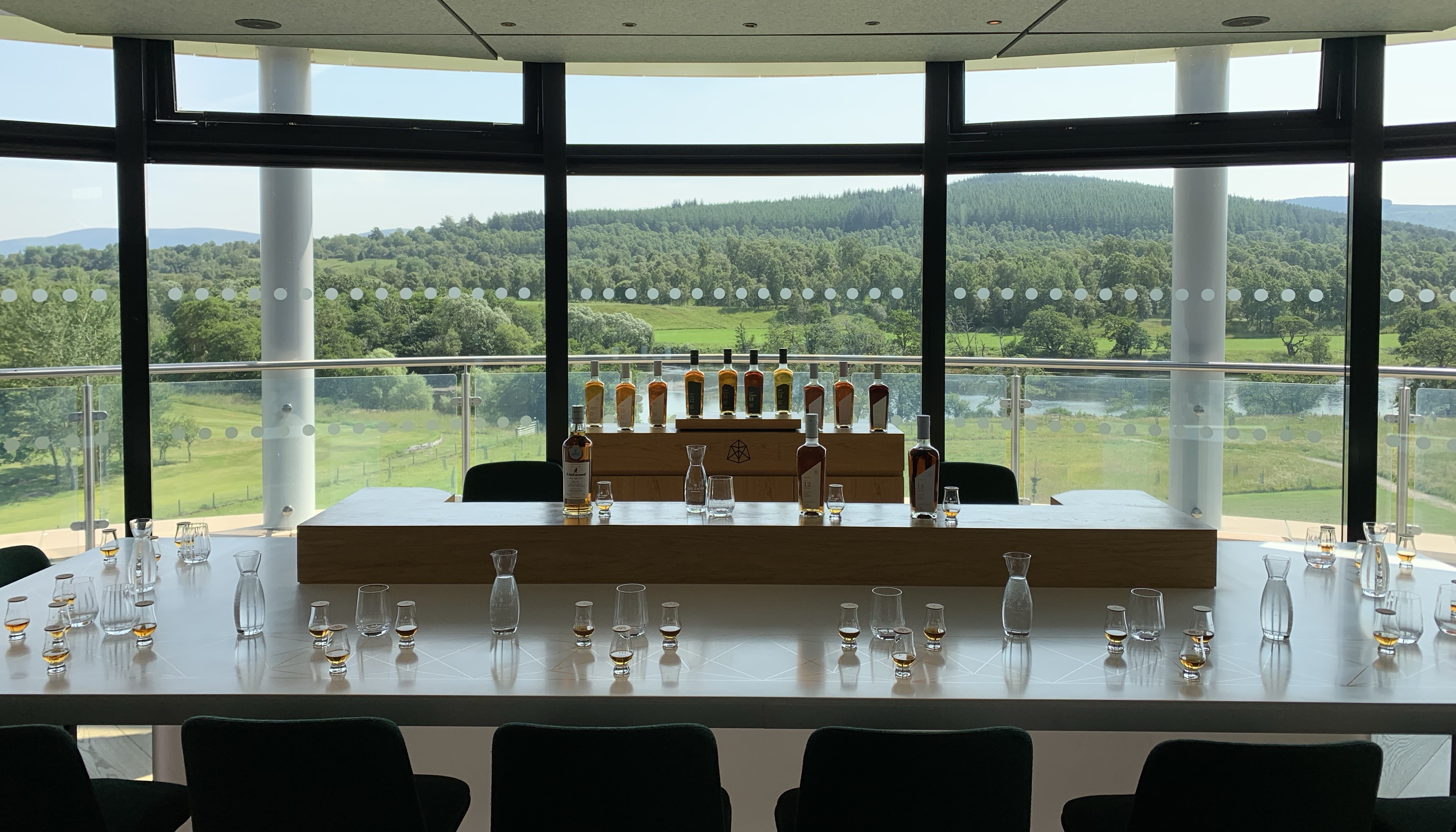
What creates genuine brand advocates? Drawing on a recent visit to The Cairn Distillery, this blog explores why leadership, culture and experience play such a critical role in shaping reputation and sustainable growth across the whisky industry.
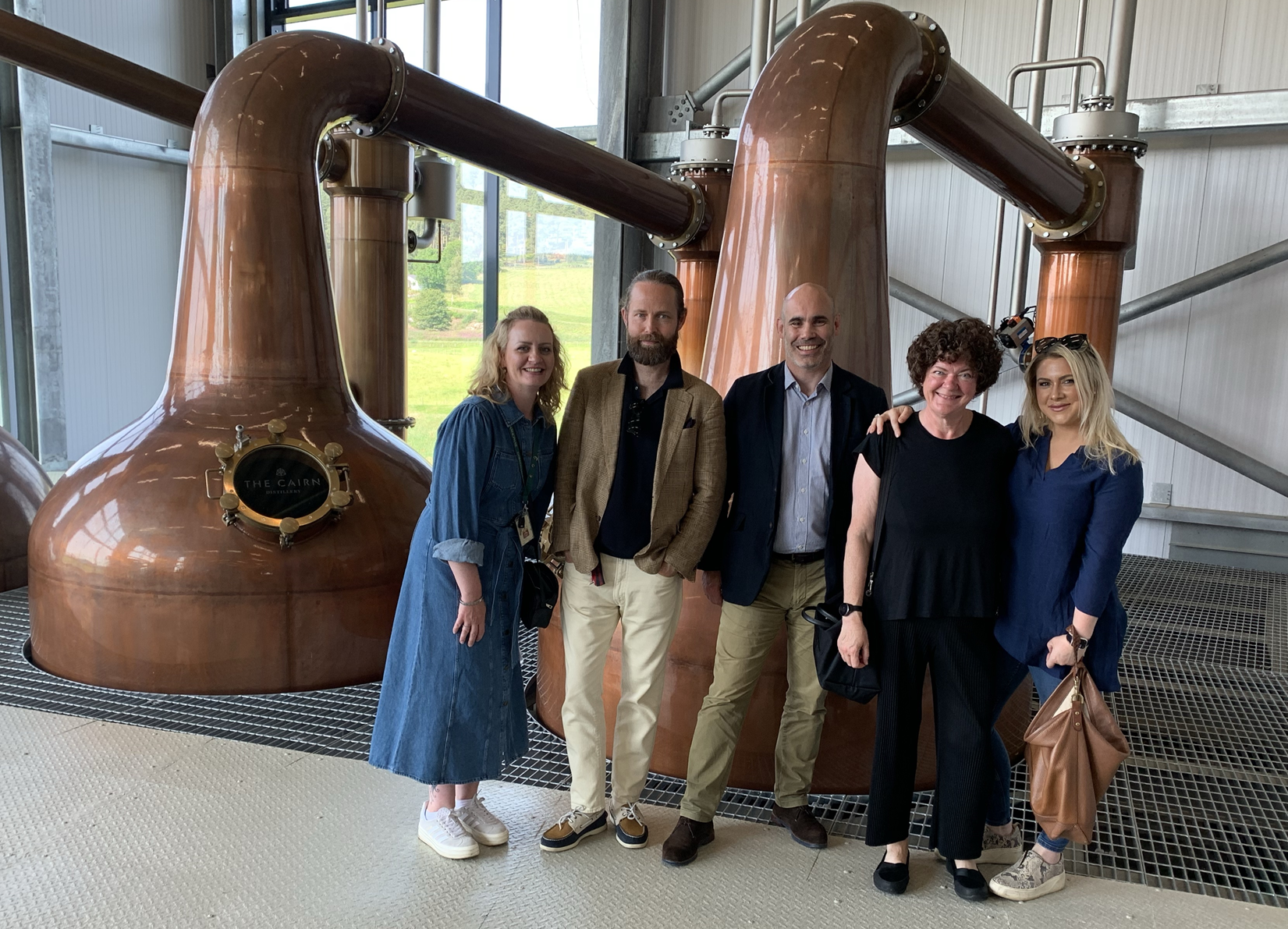
I recently had the opportunity to visit The Cairn Distillery with Steph Buckley and Paul McKernan, where we spent time with the Gordon & MacPhail team.
I came away with one simple thought.
Great businesses create advocates.
Some do it by design. Others do it through the everyday decisions that shape how people experience the organisation.
From the scale of the investment to the engineering, visitor experience and obvious pride of the people behind it, every part of The Cairn reflects a business thinking carefully about the impression it leaves.
You notice it in the welcome. You notice it in the detail. You notice it in the confidence of the people who work there.
That feels particularly relevant because our next Denholm Whisky & Spirits Roundtable is exploring The future of brand advocacy.
It's a phrase that's prompted a lot of conversations over the last few weeks.
Brand advocacy is bigger than marketing
Brand advocacy has become one of those terms that means different things to different people.
For some, it's about marketing. For others, it's about education, partnerships, ambassadors, customer loyalty or the people representing a brand in market.
The businesses I spend time with tend to look at it through a wider lens.
Leadership teams are thinking carefully about how their businesses are experienced, both inside and outside the organisation.
In whisky and spirits, that experience can stretch across an enormous number of touchpoints: the people making the product, commercial teams taking it into new markets, ambassadors educating customers, hospitality teams welcoming visitors and leaders making decisions about where the brand goes next.
The businesses attracting attention are creating experiences that feel consistent from the shop floor to the boardroom, from the distillery tour to international markets.
That consistency doesn't happen by chance.
People are part of the brand experience
It comes from leadership, culture and people who understand that every interaction contributes to the reputation of the business.
A visitor might remember the person who talked them through a tasting. A distributor may form their impression through the commercial team. A candidate could decide whether they want to join based on the people they meet during an interview.
Employees experience the organisation from the inside and carry that experience into conversations with friends, customers, candidates and the wider industry.
That gives advocacy a very human quality.
People create experiences.
Experiences shape reputation.
Reputation influences growth.
What happens when advocacy budgets come under pressure?
This is where the conversation becomes particularly interesting for the whisky industry.
The market is challenging. We've seen major brands looking closely at costs, including ambassador and advocacy teams.
That creates some difficult decisions.
When budgets tighten, roles that are harder to connect directly to an immediate sale can come under scrutiny. Yet advocacy is often built over a much longer horizon.
Recommendations, visitor experiences, education, employee advocacy and trusted relationships all contribute to how people perceive a brand.
The commercial impact may appear through different routes and at different times, which makes understanding the value of these teams particularly important when resources are under pressure.
For leadership teams, the question becomes: which experiences and relationships are fundamental to the reputation we're trying to build?
The distillery experience makes the brand tangible
The Cairn brought that home for me.
A distillery visit allows someone to experience things that are difficult to communicate through advertising alone.
You see the investment. You see the engineering. You meet the people. You hear the stories behind decisions that have been made. You experience the hospitality surrounding the product.
For Scotch whisky, where provenance, craft and place are so closely connected to the product, those experiences can be incredibly powerful.
A visitor leaves with more than knowledge of the whisky. They leave with an impression of the people and business behind it.
And if that impression is strong enough, they tell other people.
Leadership sets the conditions for advocacy
Working in Executive Search gives you the opportunity to see these patterns emerge from another angle.
The leadership conversations we're having increasingly touch on questions such as:
- How do we build the capabilities we'll need five years from now?
- How do we create a culture that attracts exceptional people?
- How do we strengthen our reputation while continuing to grow?
Those questions are connected.
Leadership shapes where investment goes, the culture people experience and the standards that are expected across the organisation.
It influences whether employees feel proud of the business they work for and whether customers, visitors, suppliers and partners have experiences worth talking about.
That makes brand advocacy a leadership conversation as much as a marketing one.
The future of advocacy in whisky and spirits
I suspect the strongest whisky and spirits businesses over the next decade will think about advocacy across the whole organisation.
Marketing and ambassador teams will remain part of that picture, alongside visitor experience, commercial leadership, operations, engineering, sustainability and culture.
Each contributes something different to the reputation of the business.
And reputation matters in a sector built on relationships, stories, provenance and experiences that can stay with people for years.
That's why the theme of our Whisky & Spirits Roundtable feels so relevant.
There is a much bigger conversation to have about where advocacy sits, who creates it and how businesses continue investing in it when the market gets difficult.
Build the team behind the brand
Denholm works closely with whisky and spirits businesses across the people and functions that shape how brands are built, experienced and taken to market.
Explore our work across Spirits, our Marketing, Communications & Creative expertise, or learn more about our approach to Executive Search.
If you're thinking about the people who will shape the next chapter of your brand, call us on 03303 359 818 or email connect@denholmassociates.com.
You might also be wondering...
How do you measure the value of brand advocacy?
Start with the outcome the activity is intended to influence. Depending on the role of advocacy in your business, that could include customer recommendation, visitor engagement, repeat purchase, trade relationships, brand consideration, earned reach or commercial performance in priority markets. Looking at several measures together can give a more useful picture than expecting one metric to explain the value of every advocacy activity.
What skills will the next generation of whisky brand ambassadors need?
The role can demand a broad mix of product knowledge, storytelling, commercial awareness and relationship-building. As brands operate across more channels and international markets, the ability to adapt the story for different audiences while remaining credible and knowledgeable becomes increasingly valuable.
Should brand advocacy sit within marketing or commercial teams?
That depends on what the role is there to achieve. Some advocacy teams sit naturally close to marketing and brand, while others have a strong commercial or market-development remit. The more important question is whether responsibilities, objectives and relationships with the wider business are clear.
How do you hire someone who can represent a heritage brand while helping it evolve?
Explore how candidates have handled that tension before. Look for people who can understand what gives a brand its credibility and recognise where audiences, markets and expectations are changing. Their judgement around what to preserve and what to develop can be as important as their technical brand experience.
Can employees become effective brand advocates without a formal advocacy programme?
Yes. People naturally talk about where they work. Their willingness to recommend the organisation, speak proudly about its products and share their experiences will be influenced by what working there actually feels like. Leadership, culture and employee experience therefore have a role in advocacy even where there is no formal programme.
What should whisky businesses consider before reducing ambassador or advocacy teams?
Understand what those people actually contribute before looking solely at the cost of the function. Consider the relationships they hold, the markets and audiences they influence, the knowledge they carry and how their activity supports the wider brand and commercial strategy. That gives leadership a clearer basis for deciding what should change and what could be difficult to rebuild later.